
By Peter Pavarini
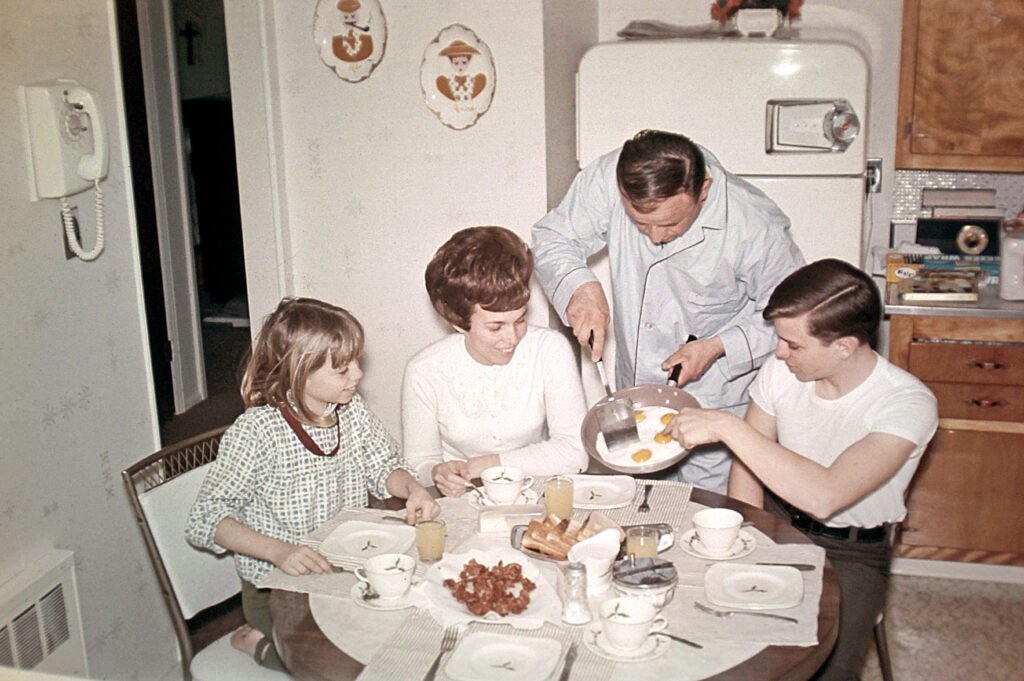
In 1956, my parents purchased a starter home in Massapequa, New York for about $14,000[i]. In 2026 dollars, that’s the equivalent of approximately $172,000. According to Zillow, the same home today is estimated to be worth $854,200, a five-fold increase in value over 70 years. I’m certain other Baby Boomers have similar stories about the starter homes they grew up in.
A starter home has generally been defined as a smallish, affordable property priced in the lower third of a particular real estate market. Although the specific price range varies by region of the country, the cost of a starter home has traditionally allowed first time buyers with limited incomes to become homeowners, expecting to trade up several years later.
Winston Churchill reminded us that even a modest first home influences a person’s outlook and behavior:
“We shape our dwellings and afterwards our dwellings shape us.”[ii]
Although the difficulty of finding and paying for a starter home in today’s economy is often conflated with the so-called “affordability” debate, the daunting task of becoming a first-time homeowner illustrates a much bigger issue facing America. Do we want to be a nation of dependents or a nation of owners?
The Importance of Ownership
When I began my career in the 1970s, I started out with barely enough cash on hand to pay the security deposit and first month’s rent on a 1-bedroom apartment. I remember anxiously awaiting my first paycheck to pay the following month’s rent, only to find that my after-tax earnings barely covered the rent, utilities and car insurance. How would I pay for groceries, much less the school loan payments that would begin in a few months? My solution was to get out of that lease and share the rent on a rundown old house with three other twenty-somethings. At that point, I had no expectations of owning a home any time soon.
It didn’t take long, however, before I realized becoming a homeowner wasn’t the same as becoming wealthy. Ownership is more about achieving autonomy – having the ability to make decisions without continuously asking other people for permission or financial help. Ownership comes with additional responsibilities, for sure, but it is also based on the expectation that one’s labors will eventually yield something you control.
I also learned that you didn’t have to be poor to remain dependent. I watched colleagues making more money than me become slaves to oversized mortgages and other forms of debt. A person earning $100,000 a year but burdened by enormous debt, possessing few assets and limited savings had much less freedom than someone with lower earnings while still owning a home and maintaining a cash reserve.
More than anything, I sought the freedom of not living paycheck to paycheck – in other words, having control over my economic destiny. As unattainable as owning a starter home seemed at that time, it was something I was determined to achieve.
Willingness to Accept Risk
Becoming a homeowner requires being willing to accept some risk. What sane person would agree to make loan payments totaling two or three times the purchase price over 30 years, notwithstanding any tax benefit or potential for appreciation? Who would risk becoming “under water”[iii] as many homeowners were in the Great Recession of 2007 to 2009? Why would anyone risk forfeiting a 20% down payment and any other home equity only to remain obligated to making monthly payments of principal, interest, mortgage insurance and taxes that may be half of one’s take-home income?
The best reason for taking on these risks is to have “some skin in the game”. The same holds true for anyone who starts and owns a business as opposed to working for someone else. Sure, getting a steady paycheck beats worrying about making payroll for others, but it also leaves you powerless if the business owner decides to sell the company or replace you with a robot. Having skin in the game means rejecting the dependency mindset that is the universal default.
The World War II generation told their children – the Baby Boomers like me – that the path to prosperity involved getting a college degree. That made sense at a time when only 13 to 15% of adults born between 1928 and 1945 held a bachelor’s degree or higher.[iv] Since then, millions of young Americans have followed that advice and borrowed enormous sums of money for higher education.[v] No one should be surprised, therefore, that many Millennials have reached adulthood with academic credentials, but lots of debt, a job which hardly pays the rent, and no house.
Freedom From Dependency
Dependency is commonly used as a synonym for addiction to drugs, alcohol or other self-destructive behavior. However, in this context, it refers to reliance upon the support of others to satisfy one’s basic needs. Dependency on anything over which you have little or no control is a form of soul-crushing bondage just as devastating as any chemical or behavioral addiction. In the words of Nelson Mandela:
“For to be free is not merely to cast off one’s chains, but to live in a way that respects and enhances the freedom of others.”[vi]
There is something impressive about a young person who knows how to build a house with his own hands and eventually gets to own one – compared to someone who has advanced degrees in an esoteric subject but still needs to depend on parents or the government to provide a roof over their head.
Home ownership, like business ownership and other valuable assets such as land, intellectual property and commercially useful skills, frees a person from dependency. A dependent society is never as productive or as prosperous as a society comprised of owners, no matter how small or modest their ownership interests might be. People flee places where dependency is the norm hoping to find a better life in countries which historically offered a greater chance of prosperity.
The Power of a Free Market
I was fortunate to come of age when the United States had a relatively unregulated real estate market. Starting with almost no savings, before I turned 30, I had already purchased two homes. The first one I lived in for only eleven months until I “flipped” it generating a sizable down payment for the second one. In both cases, the interest rate on the mortgage loan was well above today’s 7% rates on a 30-year loan. I also got into the starter home marketplace with no financial help from my family or any special government program – only a willingness to risk the little I had and a strong desire to become economically independent.
This story says less about me and more about the power of a free market to untap human potential. Public housing and other forms of governmental assistance may meet the immediate needs of some people, but they do nothing to release a person from the economic bondage that might otherwise last a lifetime.
Marriage and family formation should not be privileges reserved for the lucky few. The stability provided by a starter home should be the sine qua non for everyone’s American Dream no matter how they start out.
[i] The photograph at the top of this blog was not AI generated. It was likely taken by my father in the 1960s using the self-timer function on his first 35mm camera. Although somewhat posed, it is an accurate depiction of my family having breakfast in the kitchen of our starter home.
[ii] Attributed to Churchill in a speech to the House of Lords, October 28, 1943, requesting that the House of Commons which was bombed by the Germans in 1941 be rebuilt as it had been before.
[iii] Owing more than the mortgaged home is worth.
[iv] Pew Research.
[v] Currently, the total debt for higher education in the U.S. is $1.86 trillion.
[vi] Joe McCarthy, “23 Inspiring Nelson Mandela Quotes About Fighting Injustice”, Global Citizen July 12, 2018.
Be First to Comment